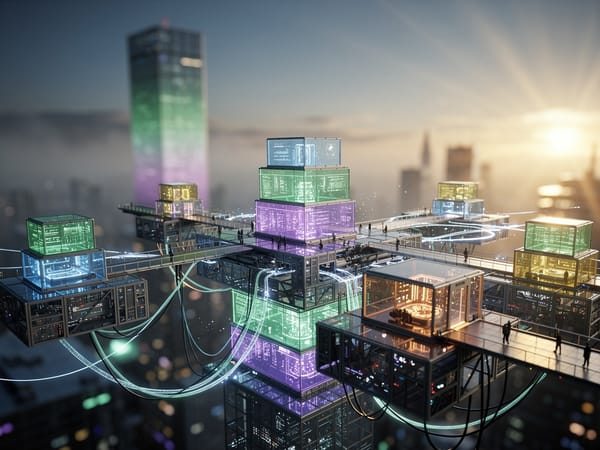
The "Nuclear Renaissance" Portfolio: Why AI’s Energy Hunger is Your Next Big Play

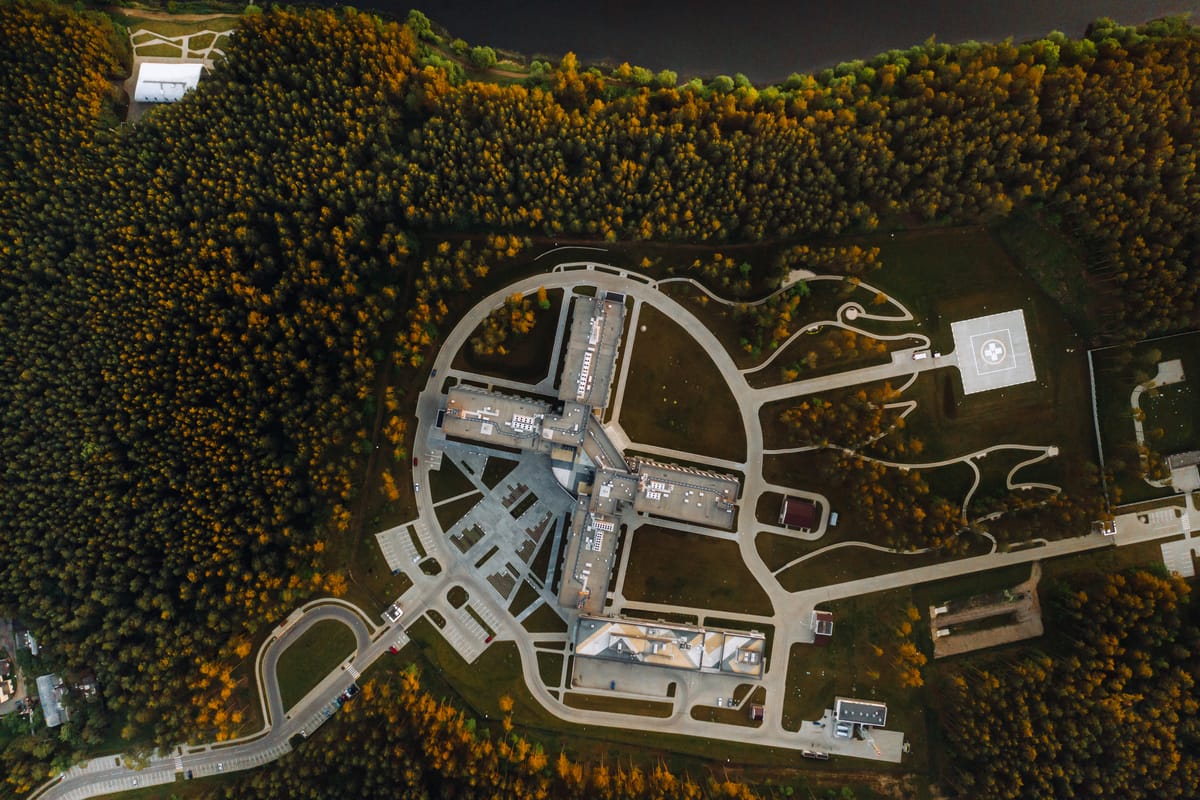
The Fission Factor: Positioning for the massive infrastructure pivot as Big Tech becomes Big Energy.
For the last decade, we’ve been told that "software is eating the world." But as we navigate 2026, we’re realizing that software has an insatiable appetite—and it’s starving for power.
We’ve hit a fascinating paradox in the markets. We have the most advanced Large Language Models in history, yet we are struggling with the 19th-century problem of keeping the lights on. The AI revolution isn't just about chips anymore; it’s about the grid. And if you want to find the real "alpha" in this decade, you have to stop looking at the GPUs and start looking at the reactors.
Welcome to the Nuclear Renaissance. This isn't your grandfather’s utility play; it’s a high-stakes infrastructure pivot that is turning once-boring energy companies into the gatekeepers of the digital future.
The AI Power Wall: A Brutal Reality Check
By early 2025, the narrative was clear: AI data centers are projected to consume more than 800 terawatt-hours of electricity by 2026, nearly doubling their 2022 levels. To put that in perspective, that’s equivalent to the entire electricity consumption of Japan.
Solar and wind are great for the "green" checkbox, but AI requires "base-load" power—steady, 24/7, high-density energy that doesn't care if the sun is shining or the wind is blowing. This is where nuclear energy has reclaimed its crown. Big Tech firms like Microsoft and Amazon have moved beyond mere power-purchase agreements; they are now directly partnering with nuclear plants to secure dedicated energy streams for their server farms.
The Rise of SMRs (Small Modular Reactors)
The real "moonshot" of 2026 isn't a new chatbot; it’s the commercialization of Small Modular Reactors (SMRs). Unlike the massive, decade-long construction projects of the past, SMRs are designed to be built in factories and shipped to the site.
For the investor, this changes the risk profile entirely. We are seeing a surge in private investment into SMR startups that can sit directly next to a data center. In 2026, the data center is the power plant. This vertical integration is creating a new class of "Energy-Tech" conglomerates that are shielded from the volatility of the broader utility market.
Uranium: The New "Digital Gold"
You can't have a nuclear renaissance without fuel. The uranium market in 2026 is experiencing what we call a "structural deficit." Years of underinvestment in mining have collided with a global surge in demand as countries like Japan and Germany re-examine their nuclear phase-outs.
The "Smart Coin" play here isn't just buying the miners. It’s about the Enrichment Cycle. There are only a handful of companies globally capable of enriching uranium to the "HALEU" (High-Assay Low-Enriched Uranium) standards required for the next generation of reactors. These companies currently hold the ultimate "moat" in the energy sector.
The ESG Pivot: From Pariah to Hero
Perhaps the most surprising shift of 2026 is the rebranding of nuclear within the ESG (Environmental, Social, and Governance) framework. After years of being excluded, nuclear is now being recognized as the only scalable path to "Net Zero" that actually supports an industrial economy.
[Photo Suggestion 2: A sleek, high-end stock market dashboard showing a "Green Energy" index with Nuclear (Uranium) leading the gains, with a background of clean cooling towers emitting white steam.] Place this photo here: Under the ESG Pivot section to highlight the market sentiment shift.
Strategic Execution for the Rest of 2026
If you are looking to balance a portfolio that is too heavy on software, the "Nuclear Pivot" offers the perfect counter-weight.
- Watch the "Dual-Play" Stocks: Look for companies that own both the data center and the power generation assets. These are the "closed-loop" winners of 2026.
- Focus on the Midstream: The companies that handle nuclear fuel services and waste management are the "picks and shovels" of this cycle.
- The Secondary Market: Watch for the reopening of mothballed plants. Companies that can bring old reactors back online quickly are seeing immediate cash-flow boosts that the market hasn't fully priced in yet.
Atoms are the New Bits
For a long time, we thought we could build a world entirely in the "Cloud." But the Cloud is physical. It takes heat, it takes space, and above all, it takes a massive, unrelenting stream of electrons.
In 2026, the most valuable "alpha" isn't found in a better algorithm. It’s found in the steady, carbon-free hum of a reactor. If you want to own the future of AI, you have to own the energy that feeds it. It’s time to stop worrying about the software "crash" and start investing in the hardware "power-up."