The End of the Monthly Budget? Why "Streaming Finance" is Replacing the Calendar

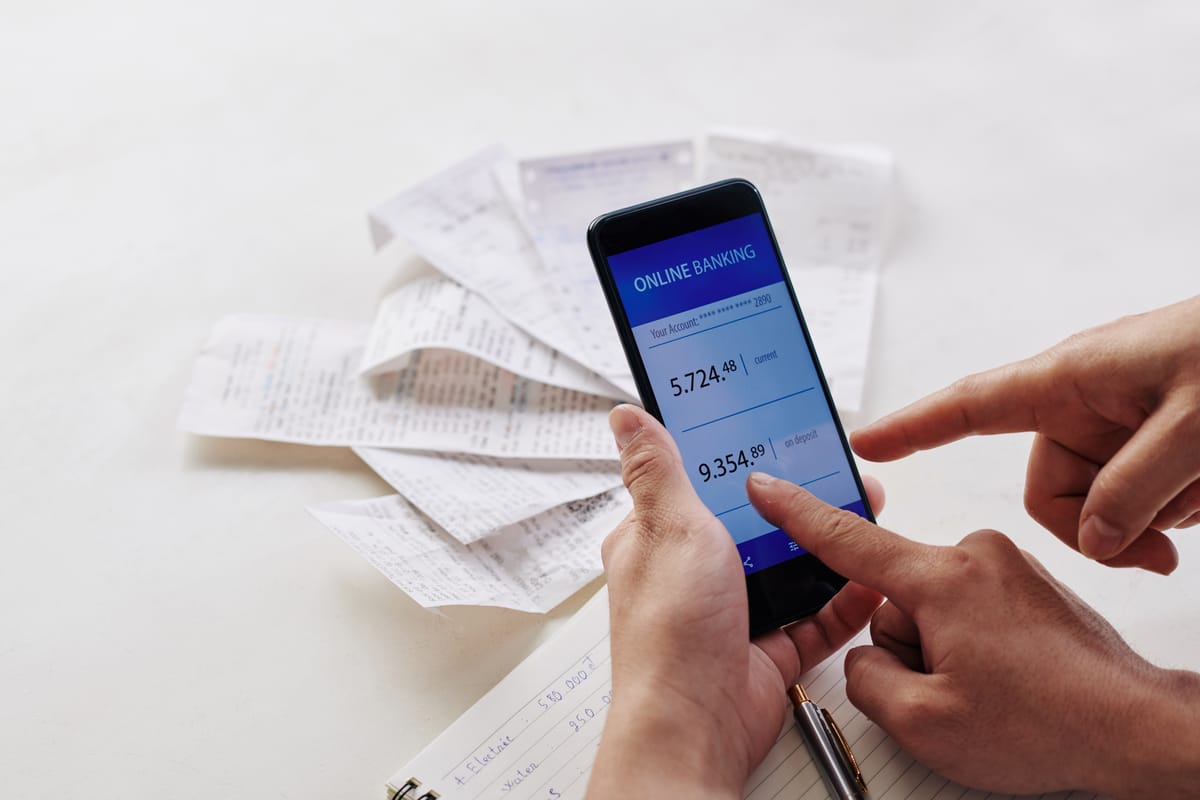
From Lumpy to Liquid: How programmable, second-by-second cash flow is killing the traditional bank statement.
For nearly a century, our financial lives have been dictated by the Gregorian calendar. We get paid on the 1st or the 15th; we pay rent on the 30th; we check our "monthly" statement to see if we survived. This "lumpy" cash flow—where money arrives in large bursts and exits in agonizing chunks—is the primary cause of financial stress, overdraft fees, and the predatory payday loan industry.
But as we cross into 2026, the calendar is losing its grip. We have entered the era of Streaming Finance. Powered by a convergence of real-time payment rails like FedNow and blockchain-based protocols like Superfluid, money is no longer a "packet" sent once a month. It is a continuous flow. In 2026, the question isn't "How much did you make this month?" but "What is your current flow rate?"
The "Earn-As-You-Work" Revolution
The most visible change is in payroll. The traditional two-week wait for a paycheck is increasingly seen as an archaic form of an interest-free loan from the employee to the employer.
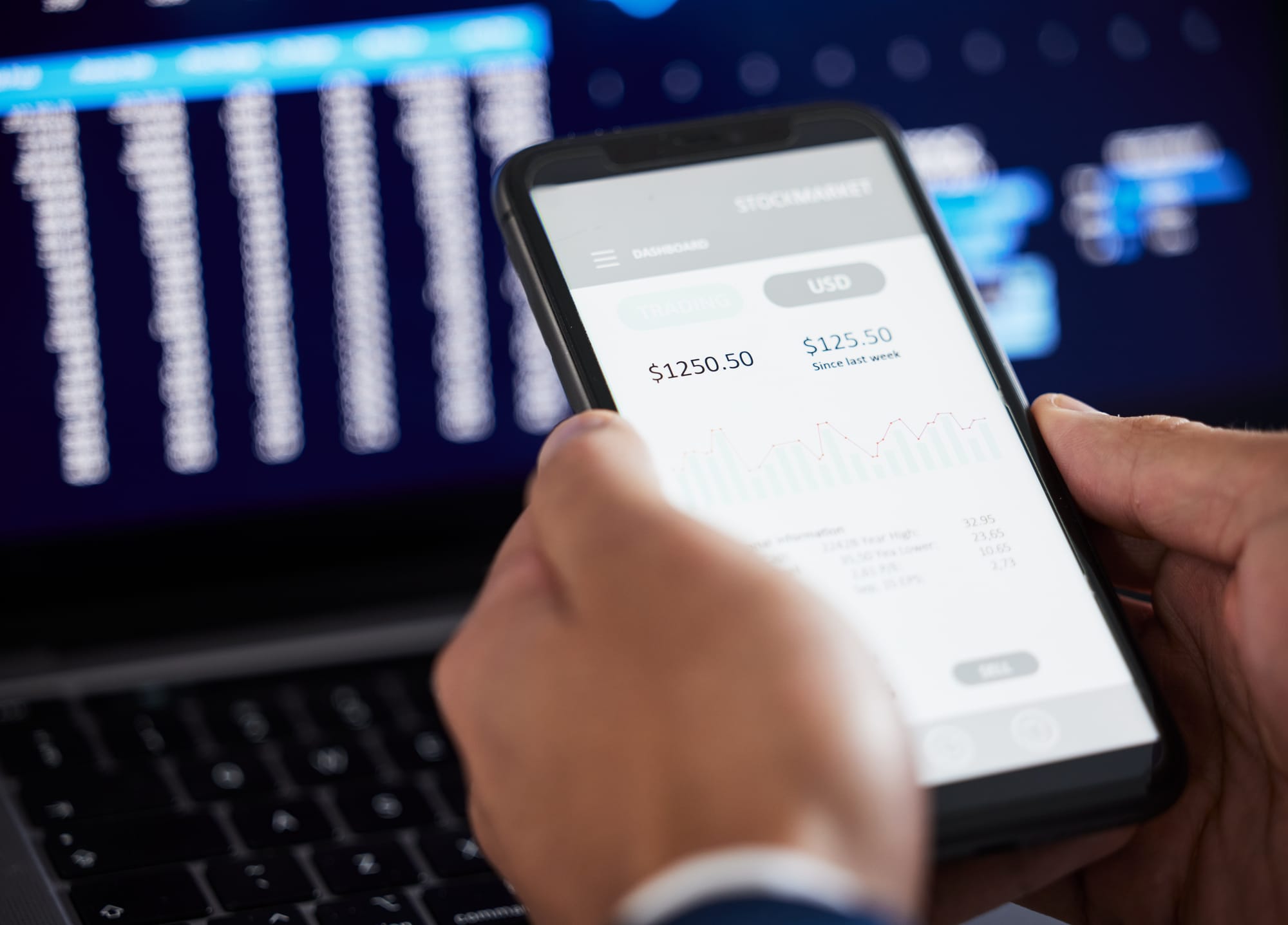
In 2026, "Early Wage Access" (EWA) has matured into Real-Time Earned Wage Streaming. For companies in the "Solo-CFO" and gig-economy sectors, workers can now see their balance tick up by the second as they work. Platforms are now integrating this "income stream" directly into the worker’s digital wallet, where it can be immediately redirected into investments or bills before it even hits a traditional bank account.
Programmable Outflows: The Death of the "Bill Pay"
If income is streaming in, why should expenses be "lumpy"? We are seeing the rise of Streaming Subscriptions and Rent. Instead of a $2,000 rent payment that hollows out your bank account on the first of the month, 2026 landlords and service providers are beginning to accept "micro-streams." Your rent is paid in fractions of a cent every second. This always-on treasury approach allows consumers to maintain a much higher level of "constant liquidity."
Because the money is moving in real-time, the "budget" as we know it is being replaced by Automated Flow Routing. You set the parameters:
- 50% of the incoming stream goes to "Essential Outflows" (Rent, Utilities).
- 20% is routed to a Real-Time Dollar Cost Averaging (DCA) stream into an Index Fund.
- 30% remains in your "Liquid Spend" bucket.
The Economic Impact: Higher Velocity, Lower Risk
The shift to streaming finance isn't just a convenience; it's a macroeconomic stabilizer. When money moves with high velocity, the "credit gap" shrinks.
- Elimination of Overdrafts: When your income streams in as your expenses stream out, the risk of a "timing mismatch" (having a bill hit before your paycheck) disappears.
- Yield Optimization: In 2026, "Lazy Capital" is a sin. Streaming finance allows even small amounts of capital to be put to work in high-yield environments the millisecond they are earned, rather than sitting idle for 29 days waiting for a "monthly" investment transfer.
- Governance through Smart Contracts: As stablecoins and tokenized cash equivalents become the standard rails for these streams, the "Terms of Service" are baked into the money itself.

Becoming a "Flow" Manager
The 2026 investor needs to stop thinking in "snapshots" and start thinking in "streams." The traditional monthly budget is a reactive tool—it tells you what happened in the past. Streaming finance is proactive; it allows you to design a financial machine that balances itself in real-time.
As we move deeper into this decade, the "Payday" will become a historical relic, like the paper check or the passbook. Your wealth is no longer a static pool; it is a river. Your job is no longer to count the water in the pool, but to ensure the pipes are connected to the right destinations.